Decoding Slot Mechanics Through Secure Mobile Transactions in Sweden's Regulated Gambling Framework
Theo Peters · Aug 20, 2026
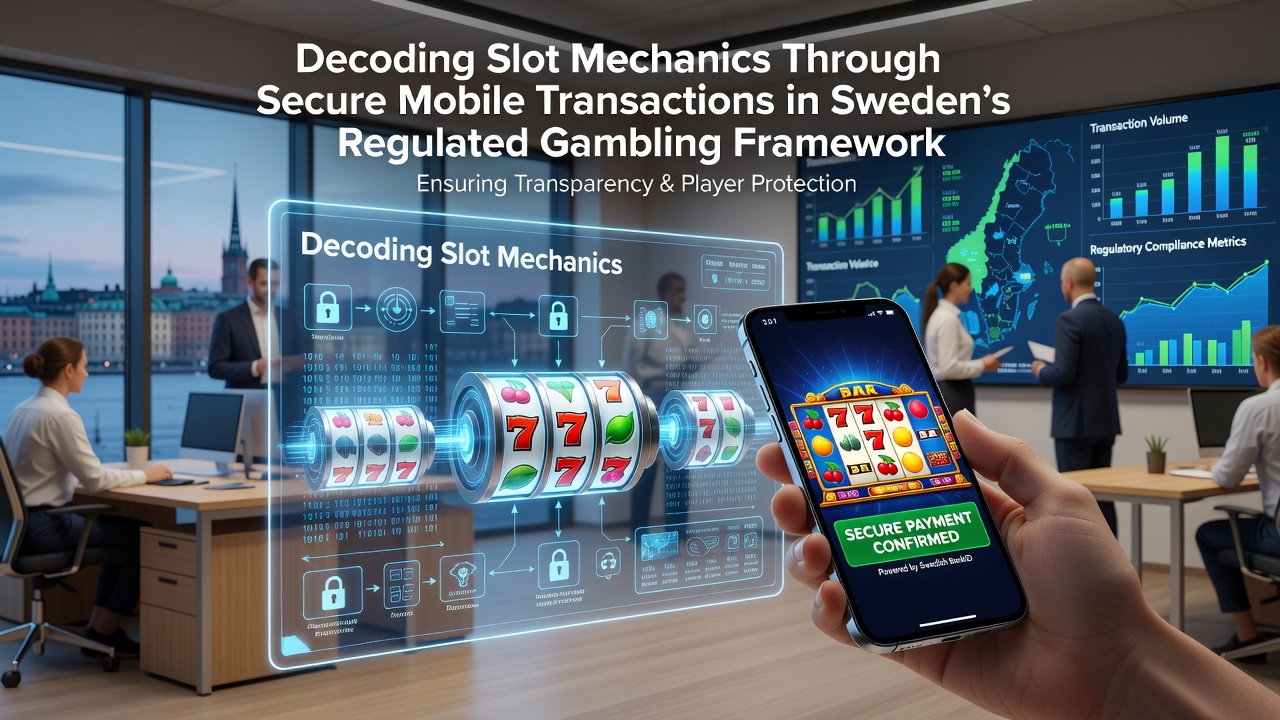
Decoding Slot Mechanics Through Secure Mobile Transactions in Sweden's Regulated Gambling Framework
Sweden's regulated gambling market operates under the oversight of Spelinspektionen, where mobile transactions form the backbone of access to slot games that rely on random number generators and return-to-player percentages for their core mechanics. Players engage with these systems through verified payment channels that integrate directly with banking apps and digital identification tools, creating a seamless flow from deposit to spin without exposing sensitive data.
Core Elements of Slot Mechanics in Regulated Settings
Slot mechanics center on algorithms that determine symbol combinations, payout structures, and bonus triggers, all calibrated to meet licensing standards that require transparent reporting of hit frequencies and volatility levels. In Sweden operators must submit game files for testing by accredited labs before deployment, which ensures the random number generator functions independently of transaction processing systems. This separation allows secure mobile payments to handle fund transfers while the game engine runs its calculations in isolated servers.
Research from industry reports shows that average RTP values in licensed Swedish slots range between 95 and 98 percent, with data drawn from thousands of simulated spins submitted during certification. Observers note that mobile interfaces display these metrics clearly in game rules, giving users direct access to the same information regulators review during audits.
Secure Mobile Transaction Pathways
Transactions in this framework typically route through instant bank transfers or digital wallets that authenticate via BankID, a system tied to national identity records. Funds move in encrypted packets that comply with EU payment directives, while the gambling platform receives only confirmation tokens rather than full account details. This design reduces exposure points and aligns with Spelinspektionen requirements for real-time balance updates visible on player screens.
Integration of Payment Security and Game Integrity
Secure channels support features such as session timeouts and spending caps that operators enforce automatically, linking transaction history to gameplay logs for compliance checks. When a player initiates a deposit, the system verifies identity before releasing credits to the slot balance, which then feeds into the RNG engine for the next spin sequence. Figures from regulatory filings indicate that over 80 percent of activity in the Swedish market now occurs on mobile devices, driving continued refinement of these linked processes.

As of August 2026 updated compliance dashboards from licensed operators reveal that transaction latency averages under two seconds, supporting uninterrupted play while maintaining audit trails that connect every credit movement to specific game rounds. Experts at research institutions have documented how this speed enhances user interaction with mechanics such as cascading reels or multiplier chains without introducing delays that could affect perceived fairness.
Regulatory Requirements Shaping Transaction and Game Design
Spelinspektionen mandates that all payment providers undergo separate licensing, creating an additional layer of scrutiny beyond game certification. Operators must demonstrate that mobile transaction logs can be reconciled against RNG outputs during routine inspections, which prevents any possibility of external interference with slot outcomes. Data compiled by European gaming associations shows steady growth in the adoption of token-based verification methods across Nordic markets since the 2019 re-regulation.
Those who study these systems point to case examples where integration of multi-factor authentication on mobile apps has correlated with reduced instances of unauthorized access, according to aggregated industry statistics. The framework also requires clear display of transaction fees and withdrawal timelines directly in the interface, ensuring players see how payment steps interact with game credit management.
Technical Standards for RNG and Payment Synchronization
Technical standards demand that RNG modules operate on hardware security modules separate from payment gateways, yet the two systems exchange timestamped messages to confirm each transaction completes before the next game round begins. Studies conducted by independent testing bodies confirm that synchronization protocols meet ISO and GLI specifications, allowing Swedish platforms to process high volumes of mobile spins daily while preserving data integrity. Observers note that these protocols support features like auto-play limits that automatically pause when cumulative transaction thresholds are reached.
What's interesting is how the regulated environment encourages continuous monitoring tools that flag anomalies in both payment patterns and game result distributions, enabling rapid response if deviations appear in either domain. Academic papers from European universities have examined similar synchronization models in other jurisdictions, highlighting parallels in how security layers protect underlying mechanics.
Conclusion
Sweden's approach demonstrates how secure mobile transactions serve as the entry point to slot mechanics that remain governed by strict technical and reporting rules. The combination of verified payment flows and certified random processes creates an environment where every spin connects directly to audited transaction records, supporting ongoing compliance without interrupting gameplay. Continued evolution of these integrated systems reflects the priorities set by Spelinspektionen and aligned European standards.