Licensing Requirements as Catalysts for Slot Feature Innovations and Mobile Accessibility in Sweden
Theo Peters · Aug 25, 2026
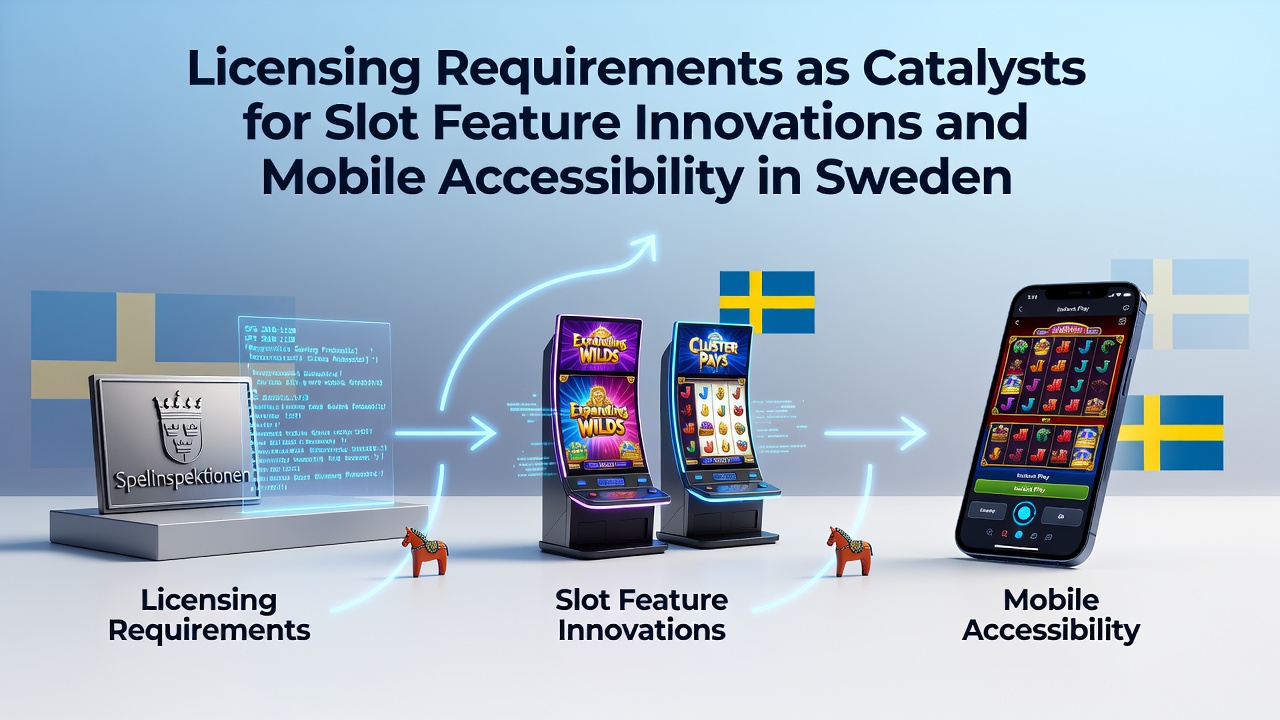
Licensing Requirements as Catalysts for Slot Feature Innovations and Mobile Accessibility in Sweden
Sweden's licensing system under Spelinspektionen has shaped how operators approach slot development and mobile platforms since the market restructured in 2019. Requirements for secure transactions, player protection tools, and technical standards push companies to integrate new features while meeting compliance benchmarks. Data from industry reports show that operators must demonstrate mobile compatibility as part of their license applications, which accelerates the rollout of responsive designs and optimized interfaces.
Regulatory Framework and Its Influence on Development
Operators seeking a Swedish license must satisfy criteria that include certified random number generators, encrypted data handling, and integration of responsible gaming functions directly into game mechanics. These rules apply uniformly across desktop and mobile environments, so developers build features that function consistently on smaller screens without separate codebases. Research from the European Commission on digital gambling markets indicates that such mandates correlate with faster adoption of HTML5 technology and cloud-based delivery systems in regulated jurisdictions.
License holders report to Spelinspektionen on a regular basis about system performance and player behavior metrics. This ongoing oversight creates incentives to embed innovations such as adjustable volatility settings, interactive bonus rounds, and real-time session tracking that work seamlessly on smartphones and tablets. Figures from 2025 reveal that mobile traffic accounted for over 70 percent of slot activity in the Swedish market, a shift that aligns with licensing conditions favoring accessible platforms.
Slot Feature Innovations Driven by Compliance
Developers introduce mechanics like cascading reels, multiplier ladders, and cluster pays while ensuring each element complies with fairness testing protocols required for licensing. These features often appear first in mobile-optimized versions because the regulations emphasize uninterrupted play across devices. One case study from a Stockholm-based studio showed that implementing licensed RNG certification led to the addition of dynamic payline adjustments that players could modify mid-session on their phones.
Turnout statistics from multiple operators indicate that slots incorporating mandatory loss-limit prompts and reality-check notifications retain users longer when these tools integrate smoothly into the gameplay flow. Licensing demands for transparent return-to-player information further encourage visual displays that update instantly on mobile dashboards, reducing the need for separate pop-ups that disrupt smaller interfaces.
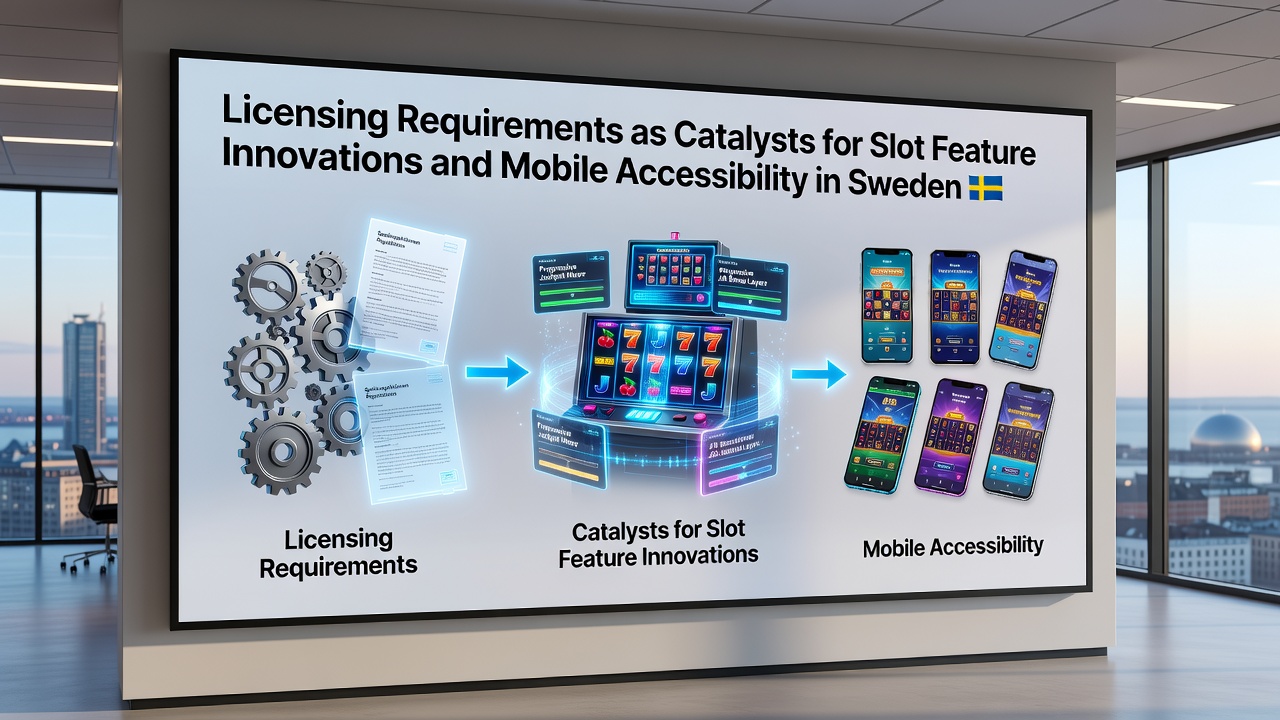
Mobile Accessibility Enhancements Under Licensing Rules
Spelinspektionen requires that all licensed platforms support major operating systems and maintain consistent functionality during network transitions. This standard has prompted investments in progressive web applications that load quickly on variable mobile connections common in rural areas of Sweden. Observers note that operators who meet these benchmarks often deploy features such as offline mode previews for bonus rounds and touch-optimized control schemes that reduce input errors.
By August 2026, updated technical guidelines from the authority are scheduled to expand testing for accessibility options including screen-reader compatibility and adjustable text sizes within slot interfaces. These forthcoming changes build on existing rules that already mandate clear navigation menus and high-contrast color schemes for mobile users. Industry data collected through 2025 show a 25 percent increase in session duration on licensed mobile apps after similar accessibility upgrades were introduced in prior compliance cycles.
Industry Responses and Technical Adaptations
Software providers collaborate with licensed operators to pre-certify new slot titles before submission to Spelinspektionen. This process encourages modular design approaches where individual features can be toggled based on regional requirements without rebuilding entire games. Reports from the Canadian Gaming Association highlight parallel patterns in other licensed markets where similar frameworks accelerate mobile-first innovation cycles.
Payment integration standards tied to licensing further support mobile accessibility by requiring seamless connections to local banking apps and e-wallets. Developers therefore prioritize one-tap deposit flows and instant withdrawal confirmations that operate reliably on both iOS and Android devices. These adaptations reduce friction for players while satisfying the authority's emphasis on secure financial transactions.
Conclusion
Licensing requirements continue to guide the direction of slot feature development and mobile platform improvements in Sweden. Compliance obligations around security, fairness, and accessibility translate into concrete technical specifications that operators implement across their portfolios. As Spelinspektionen prepares for the 2026 guideline updates, the pattern of regulatory-driven innovation remains consistent with earlier phases of the market's evolution. Data from multiple monitoring periods confirm that these standards sustain measurable growth in mobile engagement and feature diversity within the licensed environment.