Regulatory Impacts on Live Dealer Interactions: Payment Security Measures in Sweden's Online Gambling Scene
Greta Peters · Aug 18, 2026
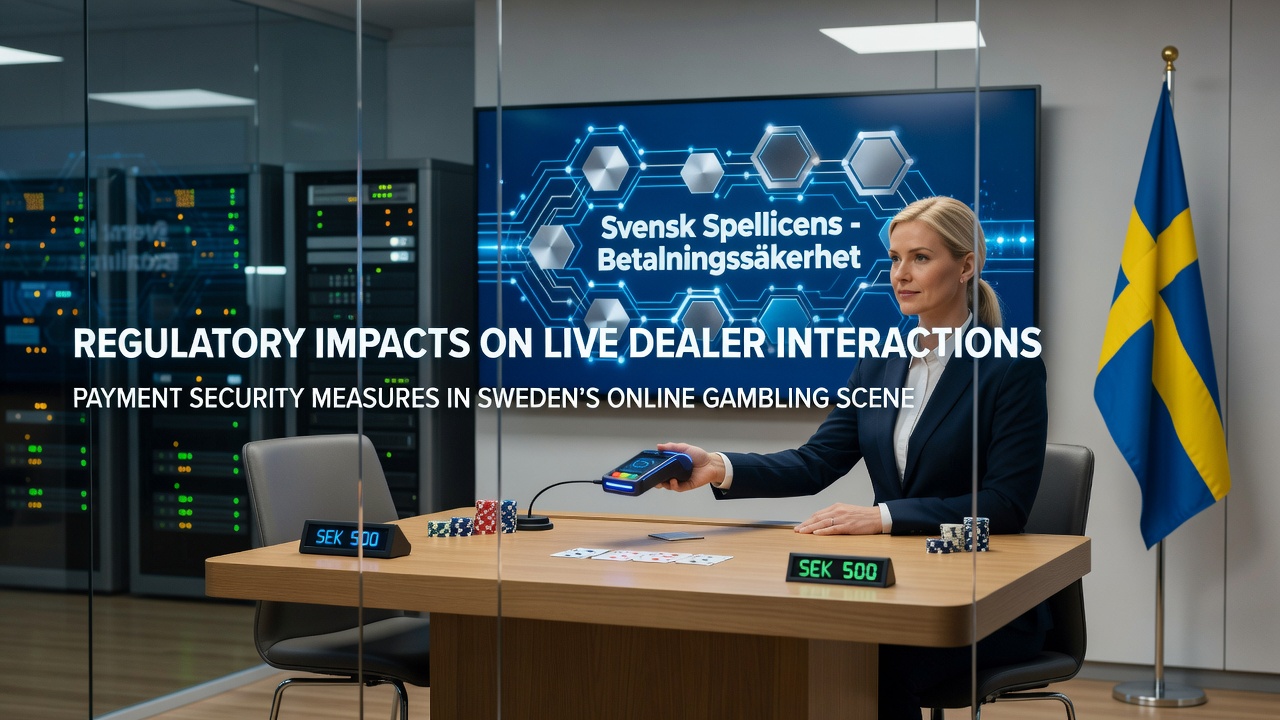
Regulatory Impacts on Live Dealer Interactions: Payment Security Measures in Sweden's Online Gambling Scene
Sweden re-regulated its gambling market in 2019 through the Gambling Act, which established Spelinspektionen as the central authority overseeing licensing, compliance, and consumer protections across online platforms including live dealer offerings, and operators must now navigate strict rules that directly shape how live interactions integrate with verified payment flows.
Data from industry reports shows that licensed entities processed millions of transactions annually under these frameworks, with emphasis on real-time verification during live sessions where players engage dealers through video streams while simultaneously authorizing deposits or withdrawals via secure gateways. Researchers at European gaming analysis centers note that these measures reduce unauthorized access points because every live dealer session ties into account-level authentication protocols enforced by law.
Core Payment Security Mandates Under Swedish Oversight
Spelinspektionen requires all licensed operators to implement multi-factor authentication, encrypted transaction channels, and continuous monitoring systems that flag suspicious activity during live play, and these standards apply uniformly whether players participate in blackjack, roulette, or baccarat tables streamed from certified studios. According to official regulatory summaries, payment processors must hold separate approvals that demonstrate compliance with anti-money laundering directives integrated into the national framework since the market opened to private competition.
Those who've examined compliance filings observe that live dealer platforms face additional layers of scrutiny because real-time interactions can involve chat functions or tip mechanisms that route through the same financial rails, forcing operators to segment these micro-transactions for audit trails. Figures from 2025 reveal steady increases in licensed live dealer traffic, yet the regulatory body maintains that every euro moved must trace back to verified Swedish bank accounts or approved e-wallets without exception.
Effects on Live Dealer Player Experiences and Operator Operations
Live dealer interactions in Sweden now route through systems where payment confirmations occur within seconds of each bet placement, creating seamless yet heavily logged experiences that differ from less regulated markets. Observers note that players often complete initial KYC checks before accessing tables, after which subsequent deposits link automatically to session data so that any withdrawal request aligns with prior live activity records.
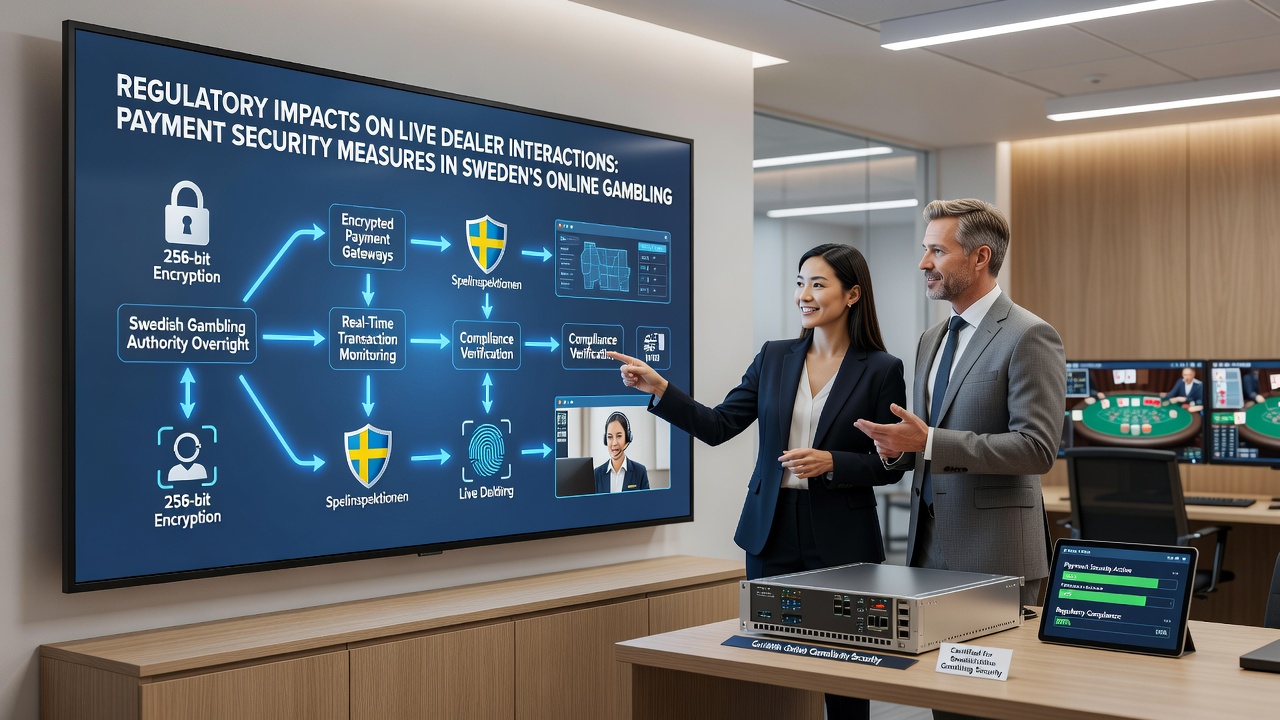
Operators report that adapting software interfaces to meet these demands requires collaboration with both game providers and financial technology firms, and this integration ensures that chat-based dealer communications never bypass the payment verification layer. Studies conducted by Nordic research institutions indicate that such combined systems lowered dispute rates related to transaction errors by measurable percentages in the years following full enforcement.
Developments Anticipated Around August 2026
As operators prepare for potential refinements scheduled around August 2026, Spelinspektionen continues to evaluate how emerging payment technologies such as instant bank transfers and tokenized cards interact with live dealer environments. Regulatory updates may introduce enhanced real-time fraud detection algorithms that scan both player behavior and dealer session metadata simultaneously, and several major platforms already test pilot versions of these tools under controlled conditions.
Industry associations across Scandinavia highlight that any new requirements will build on existing AML obligations rather than replace them, keeping the focus on maintaining player funds separation and transparent reporting. Data collected through 2025 shows consistent adherence rates above 95 percent among active licensees, suggesting that the infrastructure for these adjustments already exists in most cases.
Broader European Context and Comparative Approaches
Sweden's model draws from EU directives on digital payments while tailoring enforcement to its domestic market size, and comparisons with neighboring jurisdictions reveal that live dealer payment security often hinges on national licensing rather than uniform continental rules. Analysts at independent research organizations point out that Swedish operators must also align with broader data protection standards that govern how transaction histories and live session recordings are stored and shared during audits.
Take one case where a major studio provider adjusted its software to accommodate Swedish withdrawal time limits tied directly to verified deposits made during live play, and this adjustment became a template for similar compliance efforts elsewhere in the region. Those monitoring cross-border trends note that such adaptations help sustain market stability even as payment methods evolve rapidly.
Conclusion
Regulatory structures in Sweden continue to shape the intersection of live dealer interactions and payment security through precise licensing conditions, ongoing monitoring, and scheduled evaluations that extend into 2026. Licensed operators maintain compliance by embedding verification at every transaction point within streamed sessions, while data from regulatory bodies and research groups documents measurable improvements in transaction integrity. These frameworks support a controlled environment where player funds and session activities remain tightly linked under Spelinspektionen oversight.